
How to Choose the Right Eyeglass Brand and Style for the Way You Live
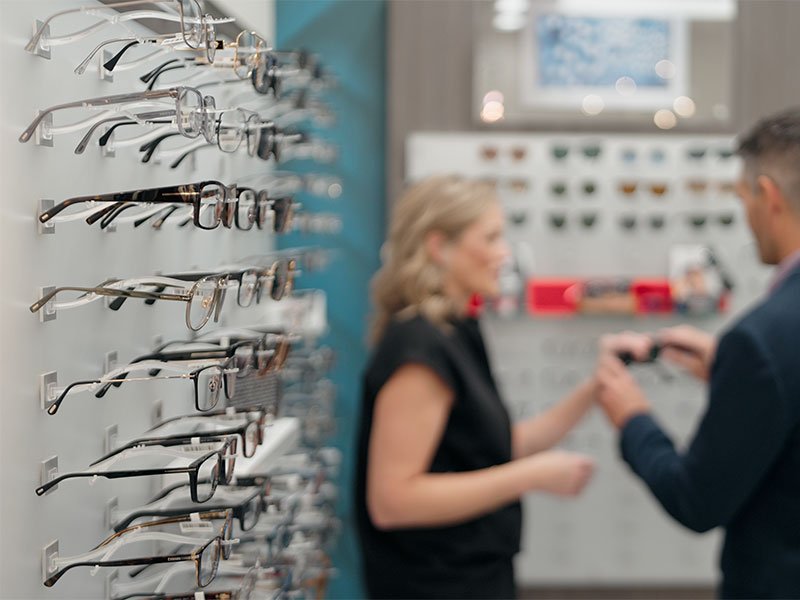
Walking into an optical boutique and seeing wall after wall of frames can feel a little overwhelming, because nearly every pair looks appealing in its own way. The truth is that choosing the right glasses is less about finding the single best brand and more about finding the brand and style that fit your face, your prescription, and the life you actually lead. A frame that is perfect for a contractor on a job site is not the same one that suits a boardroom or a first grade classroom. Once you understand the handful of factors that experienced opticians weigh, the whole wall of options starts to organize itself into a much shorter, much more personal list.
Start With How You Actually Live When Choosing an Eyeglass Brand
The single most useful starting point is an honest look at how you spend your days, because your lifestyle narrows the field faster than anything else. If you are active, hard on your gear, or outdoors a lot, performance focused brands like Oakley, Carrera, and Champion are built with durability and secure fit in mind, and a flexible material like Flexon springs back into shape after the kind of bending that would snap a stiffer frame. If your days are spent in a professional setting, you may gravitate toward the clean, refined lines of classic names like Polo, Ralph, or Scott Harris that read as polished without shouting for attention. And if you want a frame that doubles as a true style statement, the designer houses open up a world of bolder possibilities, which we will get into below.
Why Your Face Shape and Proportions Guide the Right Frame Style
Face shape is the quiet rule behind why a frame that looks stunning on a friend can look entirely wrong on you. The general principle opticians use is balance, which means pairing angular frames with softer, rounder features and choosing curved or rounded frames to soften a more angular face. Proportion matters just as much as shape, since a frame should generally align with the widest part of your face rather than extending well beyond it or sitting noticeably narrower. These are guidelines rather than hard rules, and part of the fun is discovering that a shape you assumed would not work, like a bold cat eye from Jimmy Choo or a strong rectangular frame, turns out to flatter you beautifully once it is on your face.
How Your Prescription Influences the Best Frame and Material Choice
Your prescription is an invisible factor that quietly shapes which frames will actually serve you well. A stronger prescription tends to mean thicker lenses, so smaller to moderately sized frames paired with high index lenses produce the thinnest, lightest, most flattering result, while a very large frame can leave heavy edges. If you wear progressive lenses, the frame also needs enough vertical height to fit the distance, intermediate, and near zones comfortably, which rules out some of the slimmest styles. This is exactly the kind of detail worth sorting out when you bring in your current prescription, since the right pairing of frame and lens is what turns a good looking pair of glasses into one that you can see through effortlessly all day.
What Frame Materials Tell You About Comfort and Durability
The material a frame is made from affects how it feels, how long it lasts, and how it sits on your skin, and it is an area where the American Academy of Ophthalmology notes there are real trade offs to weigh. Different materials suit different needs, and several of the lines carried at Blink were built specifically around these strengths:
Titanium, found in lines like Charmant Titanium and Line Art Charmant, is remarkably light, strong, and hypoallergenic, making it ideal for all day comfort and sensitive skin
Flexible alloys like Flexon bend and return to shape, which is why they hold up so well for active wearers and anyone rough on their frames
Rimless and minimalist designs such as Airlock keep weight to an absolute minimum and let your features take center stage
Acetate, used across many fashion frames, offers rich colors and patterns with a warm, comfortable feel against the skin
Choosing a material is really about matching its strengths to your priorities, whether that is featherweight comfort, rugged durability, or a particular look you love. An optician can let you feel the difference in your hands, which often makes the choice obvious.
Matching a Designer Eyewear Brand to Your Personal Style
For many people, glasses are a genuine extension of personal style, and this is where the designer collections truly shine. The fashion houses each carry their own distinct personality, so part of choosing is deciding what you want your frames to say about you. A few broad style directions can help you find your lane:
Bold and luxurious, the territory of Tom Ford, Prada, Dolce & Gabbana, and Versace, for frames that make a confident statement
Refined and feminine, beautifully expressed by Jimmy Choo, Tory Burch, Coach, and Kate styling, for elegance with a soft edge
Classic and timeless, the hallmark of Ralph, Polo, and Longchamp, for looks that never feel dated
Playful and distinctive, where lines like Fysh, Tres Jolie, Ted Baker, BCBG, Elle, and Nicole Miller bring color and personality
There is no wrong answer here, only the frame that makes you feel most like yourself when you catch your reflection. The best approach is to try a few across different personalities, since the pair that surprises you is often the one you end up loving.
How to Choose Sunglasses That Protect Your Eyes and Your Look
Sunglasses ask you to balance style with genuine eye protection, and the protection part is not optional. The most important feature to look for is a label promising 100 percent UV protection, sometimes written as UV400, because the American Academy of Ophthalmology is clear that a dark tint alone does nothing to shield your eyes from the ultraviolet rays linked to cataracts and macular degeneration. It is also worth understanding polarization, which a brand like Maui Jim is celebrated for, since polarized lenses cut the harsh glare bouncing off water and roads even though polarization by itself is separate from UV protection. Iconic names like Ray-Ban, performance favorites like Oakley and Carrera, and luxury options like Tom Ford each pair that protection with their own signature look, so you never have to choose between safe and stylish.
Choosing Durable, Comfortable Eyewear for Kids
Picking glasses for children is its own small art, where durability and proper fit matter even more than they do for adults. Kids are tough on their belongings, so flexible, resilient frames from brands like Oakley, Champion, and Ray-Ban tend to survive playgrounds and backpacks far better than delicate ones, while lines like Versace and Nicole Miller let kids feel great about wearing them. A frame that fits well is one a child will actually keep on, which means it should sit securely without sliding or pinching and stay put during active play. Comfortable, well chosen kids' eyewear is not a small thing, since glasses children enjoy wearing are glasses that actually do their job of supporting clear vision and healthy visual development.
Finding Your Frames at the Blink Optometry Boutique in Redding
With this many wonderful options, the most enjoyable way to choose is to come in, try frames on, and let the choices narrow themselves down with a little expert guidance. Our optical boutique brings together everything from rugged performance frames to the most refined designer eyewear, and our opticians love helping people discover the pair that fits their face, their prescription, and their personality all at once. There is something genuinely satisfying about finding glasses that feel like they were made for you, and trying them in person is the only way to know for sure. Whenever you are ready, the team at the Blink Optometry boutique in Redding would love to help you find your perfect pair.
Frequently Asked Questions About Choosing Eyeglass Brands and Styles
Does the brand of eyeglasses really matter?
Brand matters, but not in the way people often assume, since a higher price tag does not automatically mean better vision. What different brands really offer are different strengths, whether that is the durability of a performance line, the featherweight comfort of titanium, or the distinct style of a fashion house. The right brand for you is the one whose strengths line up with your face, your prescription, and how you live. An optician can help you see past the logo to the qualities that will actually serve you day to day.
How do I choose glasses that suit my face shape?
The simplest guideline is to aim for balance, which usually means choosing a frame shape that contrasts with your natural features. Angular frames tend to flatter rounder faces, while softer, curved frames complement more angular ones, and a frame that matches the width of your face keeps everything in proportion. That said, these are starting points rather than strict rules, and personal style and comfort always matter most. Trying several shapes in person is the best way to find what truly works for you.
What should I look for when buying sunglasses?
The most important thing to check is that the lenses block 100 percent of UV light, often labeled as UV400, which protects against sun related conditions like cataracts and macular degeneration. Keep in mind that a darker lens does not mean more protection, so always look for the UV label rather than judging by tint. If you spend time around water, snow, or roads, polarized lenses can dramatically cut glare and improve comfort, though you should confirm they also include UV protection. Larger or wraparound styles offer the added benefit of shielding your eyes from light coming in at the sides.
Are designer frames worth it compared to basic frames?
Designer frames can absolutely be worth it, but the value lies in design, materials, and how the frame makes you feel rather than in better vision alone. A well made designer frame often features quality hinges, distinctive styling, and premium materials that hold up beautifully over time. At the same time, plenty of excellent non designer frames deliver great comfort and durability, so the right choice depends on your priorities and budget. The best way to decide is to try both and see which pair you genuinely look forward to wearing.